Turning intent into impact
in shipping and logistics

The backbone and lifeblood of global trade.

Industry scope

Our clients are

We work across the logistics value chain — from transport operators and infrastructure players to cargo owners and specialist intermediaries — wherever execution quality, structural clarity and commercial direction materially affect the result.

Freight Forwarders (3PLs/4PLs)

Freight forwarders sit at the centre of complex transport chains. They connect customers, carriers, routes, pricing, documentation and execution — often carrying the commercial responsibility while several operational interfaces have to work at once.

That makes them particularly exposed when customer ownership, internal structure, product logic or delivery discipline begin to drift apart. In this segment, weak performance rarely comes from one isolated problem. It usually comes from friction between the commercial and operational system.

Where that system is coherent, forwarders create real leverage across supply chains. Where it is not, margin pressure, internal rework and customer frustration appear quickly. That is exactly where precise support can make a disproportionate difference.

Intermodal-Terminals

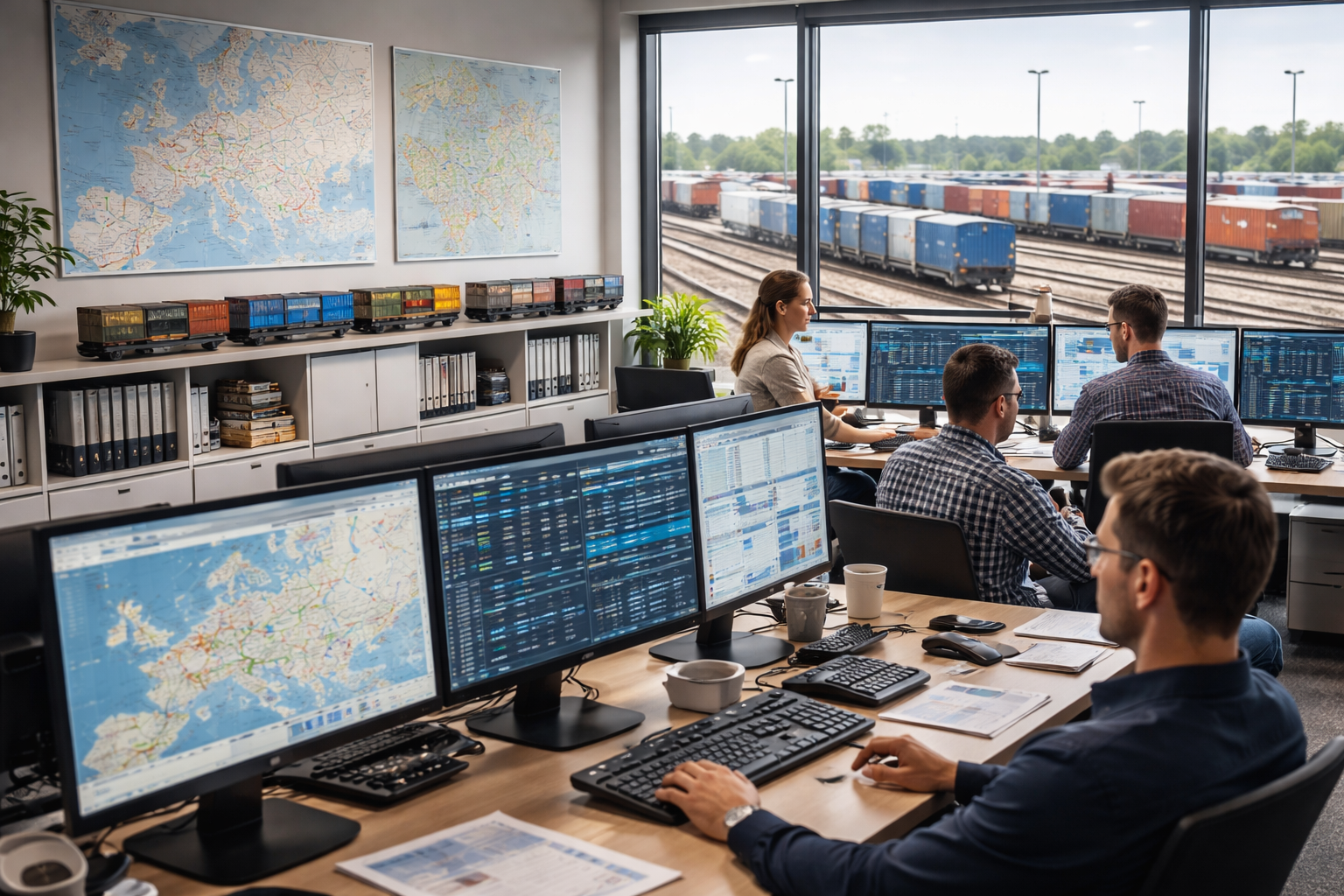
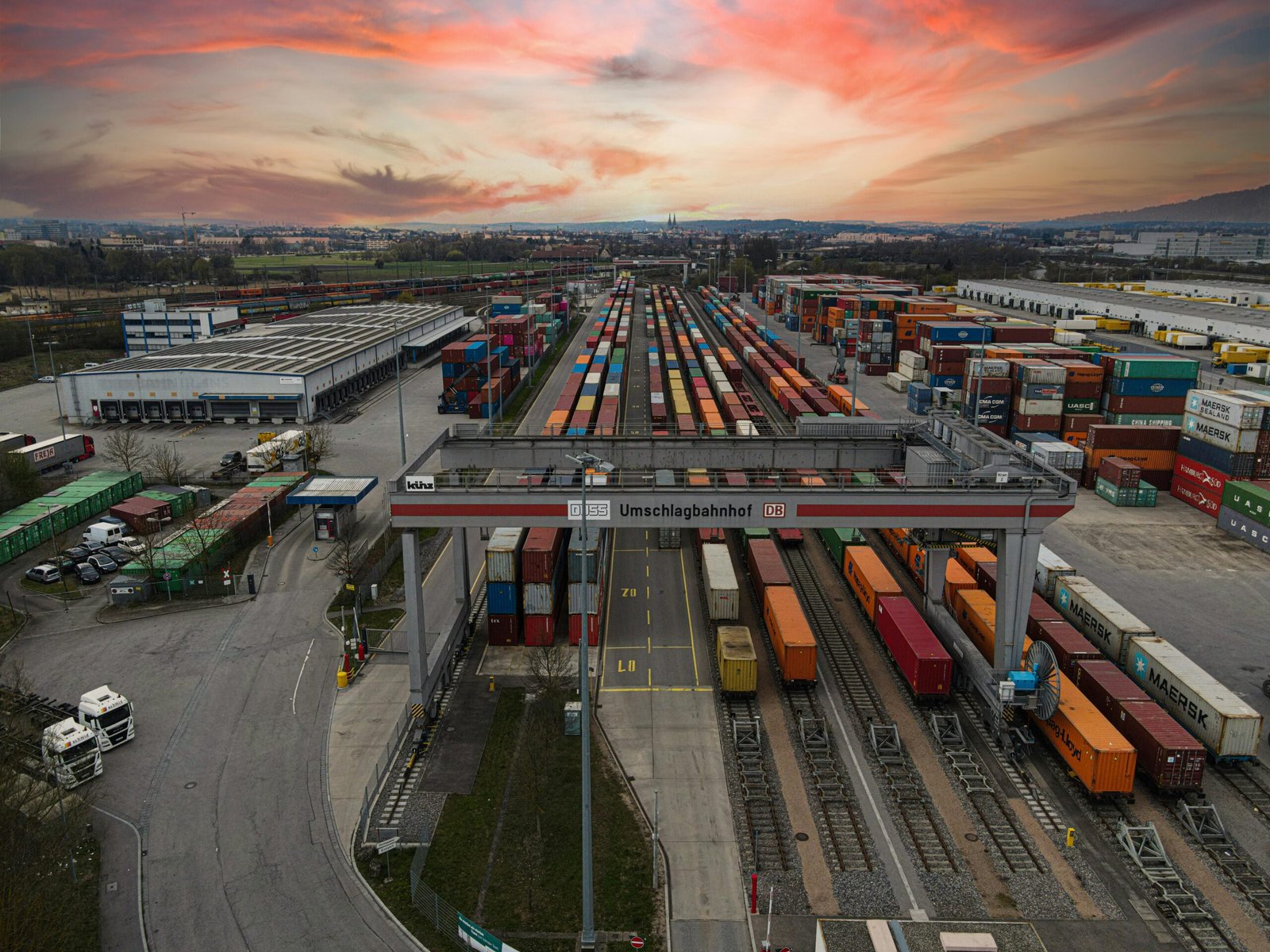
Intermodal terminals are where transport modes meet and handovers have to work. They sit between rail, road and time-critical cargo flows, translating movement into continuity under operational pressure from several directions at once.

Their role is physical, operational and systemic at the same time. When terminal processes, interfaces and capacity logic are well designed, entire networks become smoother. When they are not, disruption spreads far beyond the terminal itself.

This is a segment where execution quality is highly visible and structural weaknesses are difficult to hide. Clarity in processes, role definitions and service discipline matters enormously.

BCOs

Beneficial cargo owners are not logistics providers, but their business performance often depends directly on logistics outcomes. Once transport reliability, warehousing quality or supply chain design becomes critical, logistics stops being a support function and becomes a management topic.

In those situations, the issue is rarely only cost. It is supplier structure, internal ownership, network visibility, escalation logic and the ability to make good operational decisions under pressure. This becomes particularly relevant when growth, internationalisation or product complexity have outgrown the original setup.

For these businesses, the right operating structure and the right people matter just as much as the external providers they buy from.

Seaports

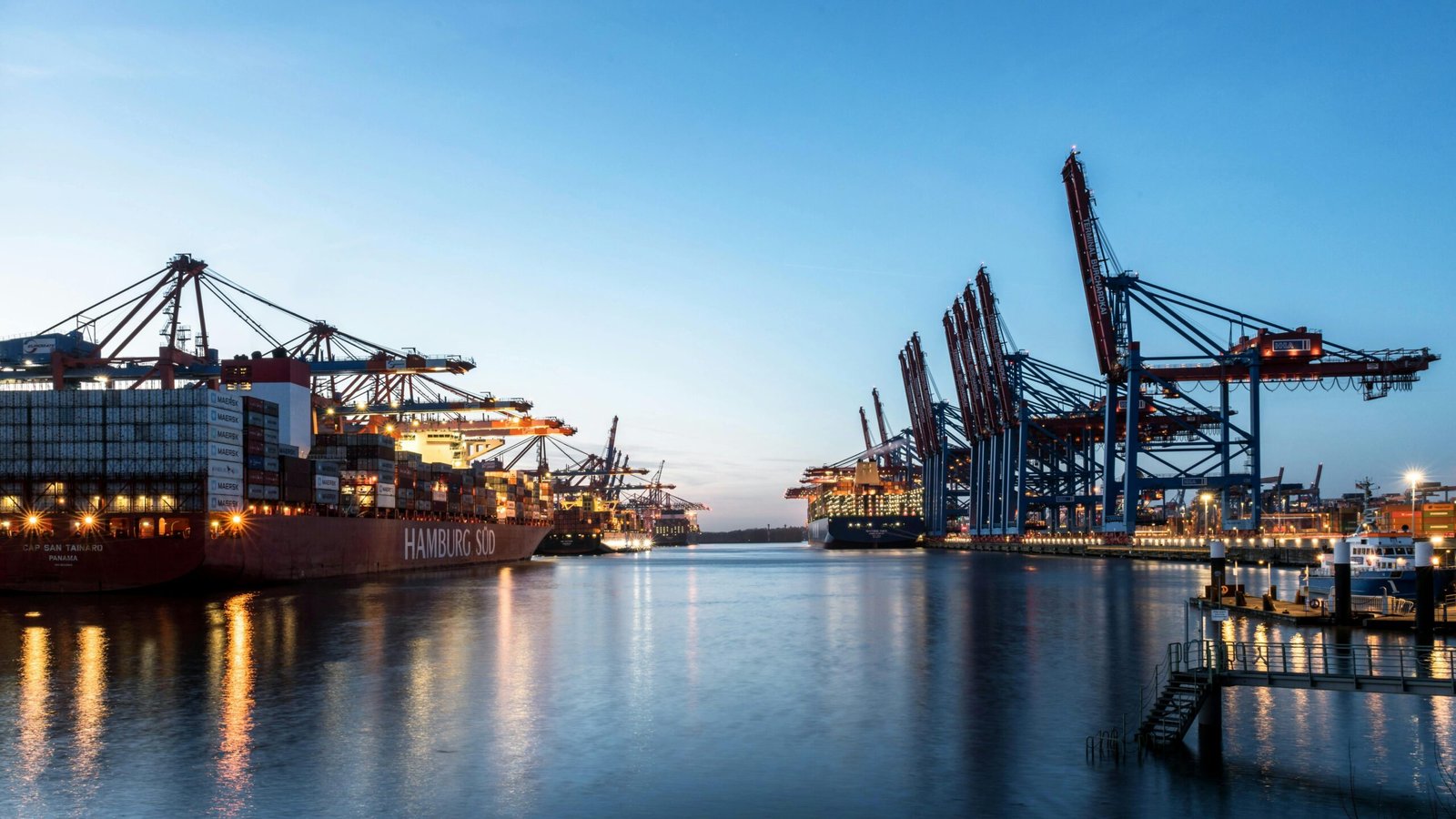
Seaports are strategic gateways in global trade. They combine infrastructure, cargo flows, vessel coordination, landside connectivity and multiple stakeholder interests in one highly exposed environment.

Their challenges are rarely purely operational. Throughput, service quality, commercial credibility and competitive position are all influenced by how clearly the organisation is structured and how effectively market-facing and execution-facing parts of the business work together.

Where complexity rises faster than structure, the result is not only operational strain. It also affects growth potential, customer confidence and the ability to capture value from the port’s strategic role.

Shipping lines

Shipping lines carry the largest physical flows in global trade, but their business is far more than vessels and capacity. Regional organisations, customer access, product architecture, network design and commercial sharpness shape outcomes just as strongly as the ships themselves.

It is a market of scale, pressure and constant recalibration. Local and regional execution still matters even in very large systems. When structures become blurred, product responsibilities weaken or market coverage loses focus, performance issues emerge quickly despite strong underlying assets.

That makes this segment especially sensitive to the quality of organisational design, commercial direction and leadership depth in market-facing roles.

Truckers

Trucking companies operate in a business where reliability is visible every day. Capacity, punctuality, driver availability, subcontractor quality, utilisation and pricing discipline all have immediate commercial consequences.

They are often judged first when something in the supply chain slips, even when the underlying causes sit elsewhere. That makes robust operations, clear accountability and disciplined daily execution especially important.

At the same time, many trucking businesses need to balance entrepreneurial flexibility with increasing process maturity. That combination creates a specific field of tension — and a clear need for practical, grounded support.

Railway companies

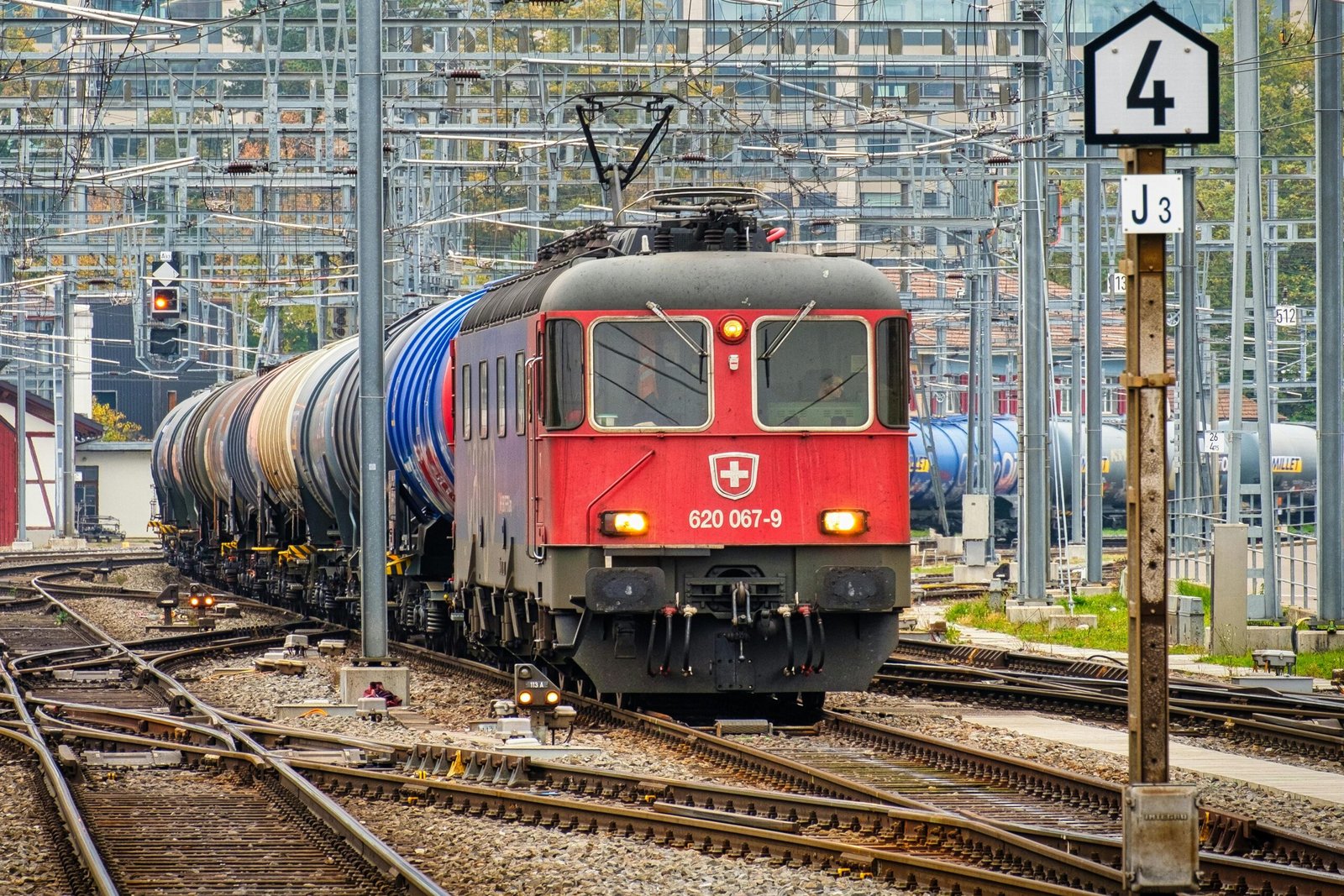
Railway companies operate asset-heavy systems with long planning horizons, high capital intensity and limited tolerance for operational looseness. Traction, rolling stock, access, scheduling and service consistency all need to work together.

Where that system is coherent, rail can be highly resilient and highly competitive. Where it is not, weak interfaces, unclear responsibilities or commercial-operational disconnects quickly create disproportionate inefficiency.

This is a segment where strong performance depends on much more than movement alone. Organisation, offering, leadership and operating discipline matter just as much.

Airports and handling agents

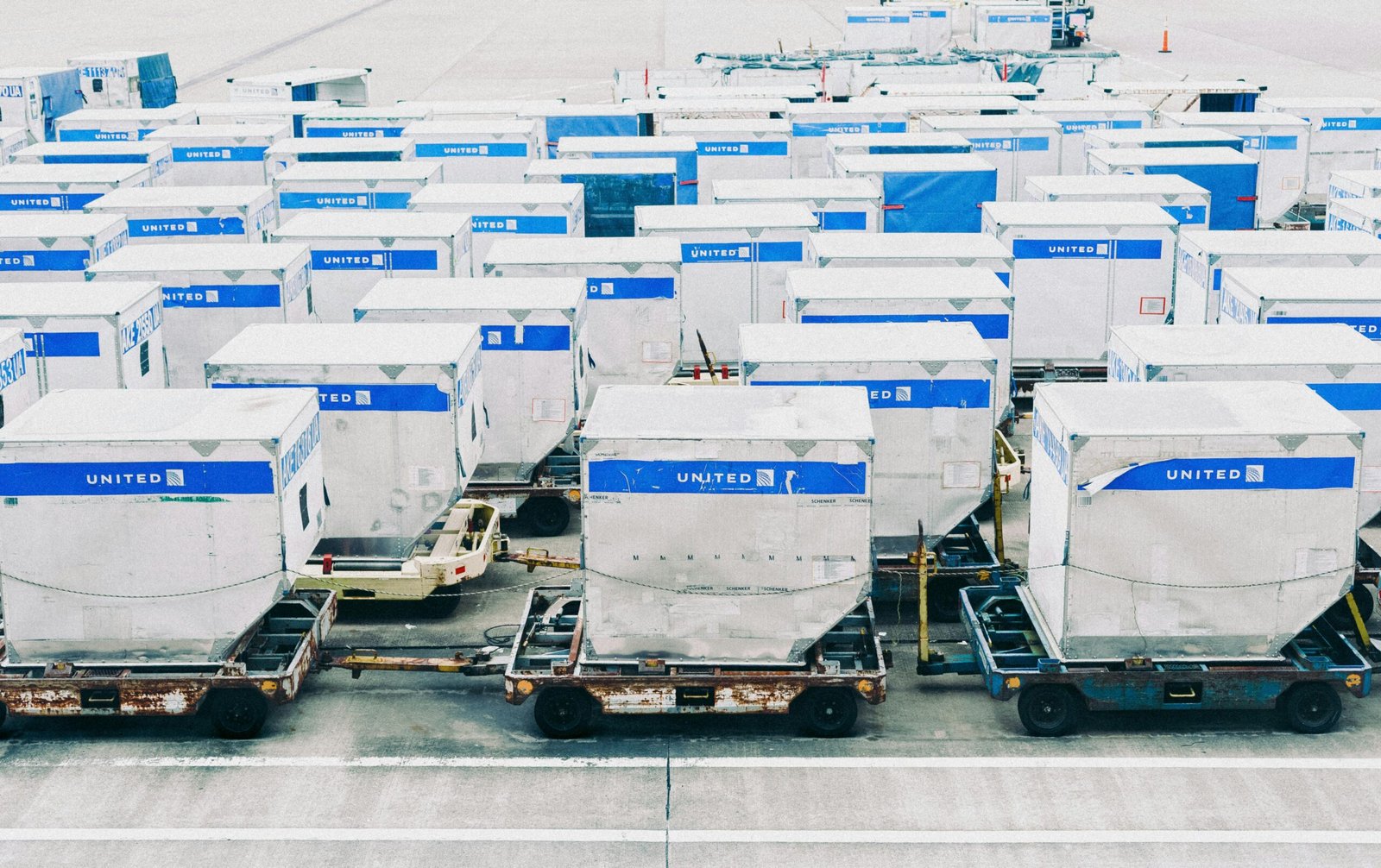
Airports and handling agents operate in environments where precision, timing and coordination are not optional. Interfaces between airlines, handlers, customs, landside transport and customers leave little room for ambiguity.

That means operational excellence depends heavily on clean responsibilities, process discipline and the ability to keep performance stable under fluctuating demand and intense time pressure. Small weaknesses in setup become visible very quickly.

These businesses therefore benefit strongly from pragmatic structural improvement, sharper role definition and focused performance support where it matters most.

Warehousing, logistics, fulfilment

Warehousing, logistics and fulfilment operations carry much of the hidden work behind supply chains. Storage, handling, sequencing, value-added services and dispatch preparation are often where complexity quietly accumulates.

These environments absorb volatility and create flow for the rest of the chain. That makes them operationally decisive, even when they are commercially under-recognised. When ownership is unclear or execution standards drift, the consequences affect service quality, productivity and customer confidence very quickly.

In this segment, the best results usually come from practical improvements to setup, interface logic, process architecture and daily management discipline.

Rail cargo operators

Rail cargo operators translate railway systems into customer-facing transport solutions. They sit between infrastructure constraints, operational complexity, industrial demand and commercial expectations.

That requires more than train execution. It requires coherent market positioning, realistic product architecture, disciplined planning and the organisational ability to align what can actually be delivered with what is being sold.

Where that alignment weakens, profitability and customer confidence suffer quickly. Where it is strong, operators gain repeat business, market credibility and strategic relevance in their corridors.

Customs brokers

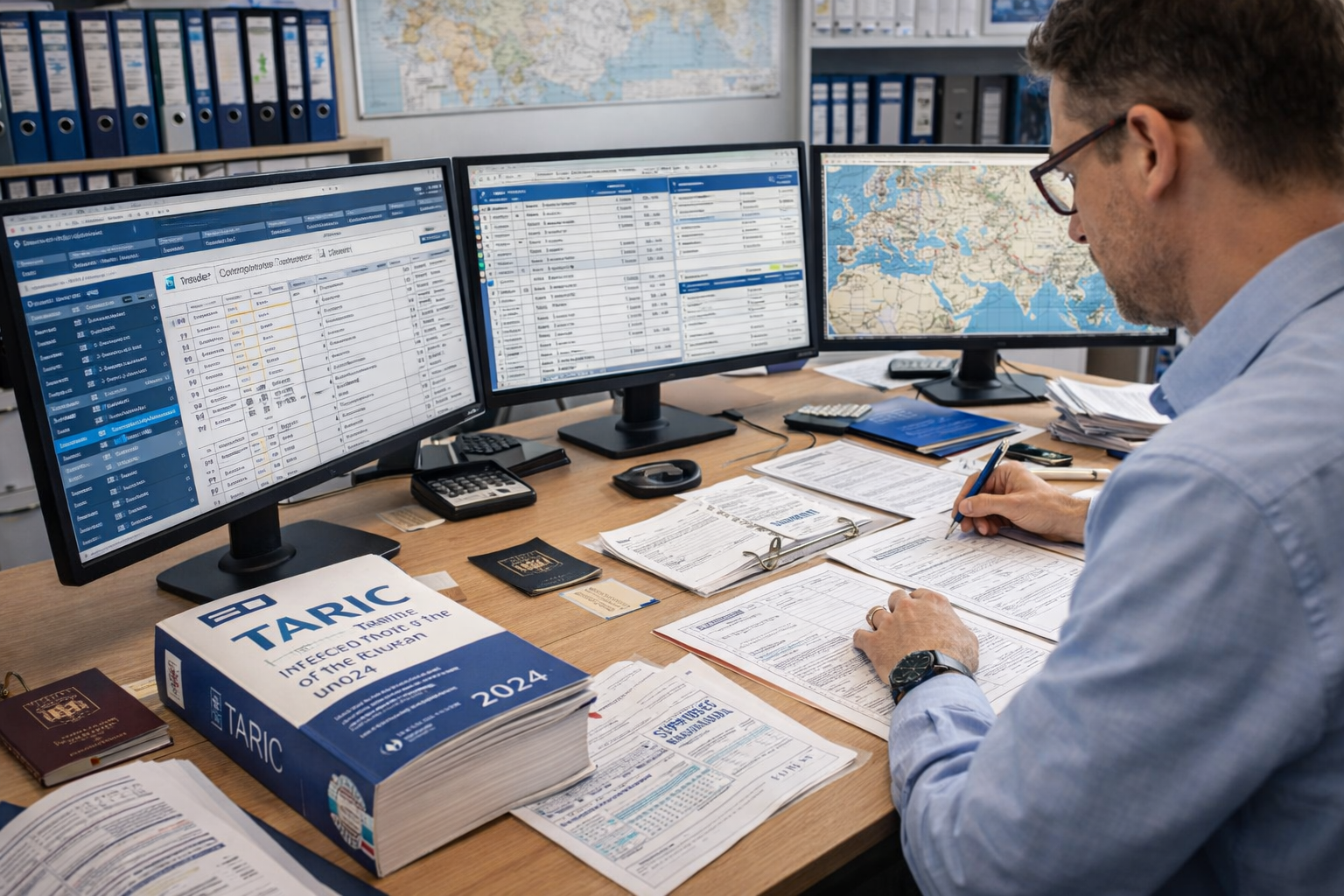
Customs brokers operate at the interface between regulation, documentation and the physical flow of goods. Their work is detail-sensitive, time-sensitive and deeply dependent on process accuracy.

Because customs activities often sit between several commercial and operational parties, weak interfaces, unclear ownership or inconsistent quality standards become expensive very quickly. The visible task may be clearance — but the underlying challenge is often process design and execution discipline.

That makes this a segment where even relatively targeted structural improvements can create measurable operational and commercial value.


Freight Forwarders (3PLs/4PLs)

Freight Forwarders (3PLs/4PLs)

Freight forwarders sit at the centre of complex transport chains. They connect customers, carriers, routes, pricing, documentation and execution — often carrying the commercial responsibility while several operational interfaces have to work at once.

That makes them particularly exposed when customer ownership, internal structure, product logic or delivery discipline begin to drift apart. In this segment, weak performance rarely comes from one isolated problem. It usually comes from friction between the commercial and operational system.

Where that system is coherent, forwarders create real leverage across supply chains. Where it is not, margin pressure, internal rework and customer frustration appear quickly. That is exactly where precise support can make a disproportionate difference.

Intermodal-Terminals

Intermodal-Terminals

Intermodal terminals are where transport modes meet and handovers have to work. They sit between rail, road and time-critical cargo flows, translating movement into continuity under operational pressure from several directions at once.

Their role is physical, operational and systemic at the same time. When terminal processes, interfaces and capacity logic are well designed, entire networks become smoother. When they are not, disruption spreads far beyond the terminal itself.

This is a segment where execution quality is highly visible and structural weaknesses are difficult to hide. Clarity in processes, role definitions and service discipline matters enormously.

BCOs

BCOs

Beneficial cargo owners are not logistics providers, but their business performance often depends directly on logistics outcomes. Once transport reliability, warehousing quality or supply chain design becomes critical, logistics stops being a support function and becomes a management topic.

In those situations, the issue is rarely only cost. It is supplier structure, internal ownership, network visibility, escalation logic and the ability to make good operational decisions under pressure. This becomes particularly relevant when growth, internationalisation or product complexity have outgrown the original setup.

For these businesses, the right operating structure and the right people matter just as much as the external providers they buy from.

Seaports

Seaports

Seaports are strategic gateways in global trade. They combine infrastructure, cargo flows, vessel coordination, landside connectivity and multiple stakeholder interests in one highly exposed environment.

Their challenges are rarely purely operational. Throughput, service quality, commercial credibility and competitive position are all influenced by how clearly the organisation is structured and how effectively market-facing and execution-facing parts of the business work together.

Where complexity rises faster than structure, the result is not only operational strain. It also affects growth potential, customer confidence and the ability to capture value from the port’s strategic role.

Shipping lines

Shipping lines

Shipping lines carry the largest physical flows in global trade, but their business is far more than vessels and capacity. Regional organisations, customer access, product architecture, network design and commercial sharpness shape outcomes just as strongly as the ships themselves.

It is a market of scale, pressure and constant recalibration. Local and regional execution still matters even in very large systems. When structures become blurred, product responsibilities weaken or market coverage loses focus, performance issues emerge quickly despite strong underlying assets.

That makes this segment especially sensitive to the quality of organisational design, commercial direction and leadership depth in market-facing roles.

Truckers

Truckers

Trucking companies operate in a business where reliability is visible every day. Capacity, punctuality, driver availability, subcontractor quality, utilisation and pricing discipline all have immediate commercial consequences.

They are often judged first when something in the supply chain slips, even when the underlying causes sit elsewhere. That makes robust operations, clear accountability and disciplined daily execution especially important.

At the same time, many trucking businesses need to balance entrepreneurial flexibility with increasing process maturity. That combination creates a specific field of tension — and a clear need for practical, grounded support.

Railway companies

Railway companies

Railway companies operate asset-heavy systems with long planning horizons, high capital intensity and limited tolerance for operational looseness. Traction, rolling stock, access, scheduling and service consistency all need to work together.

Where that system is coherent, rail can be highly resilient and highly competitive. Where it is not, weak interfaces, unclear responsibilities or commercial-operational disconnects quickly create disproportionate inefficiency.

This is a segment where strong performance depends on much more than movement alone. Organisation, offering, leadership and operating discipline matter just as much.

Airports and handling agents

Airports and handling agents

Airports and handling agents operate in environments where precision, timing and coordination are not optional. Interfaces between airlines, handlers, customs, landside transport and customers leave little room for ambiguity.

That means operational excellence depends heavily on clean responsibilities, process discipline and the ability to keep performance stable under fluctuating demand and intense time pressure. Small weaknesses in setup become visible very quickly.

These businesses therefore benefit strongly from pragmatic structural improvement, sharper role definition and focused performance support where it matters most.
Warehousing, logistics, fulfilment

Warehousing, logistics, fulfilment

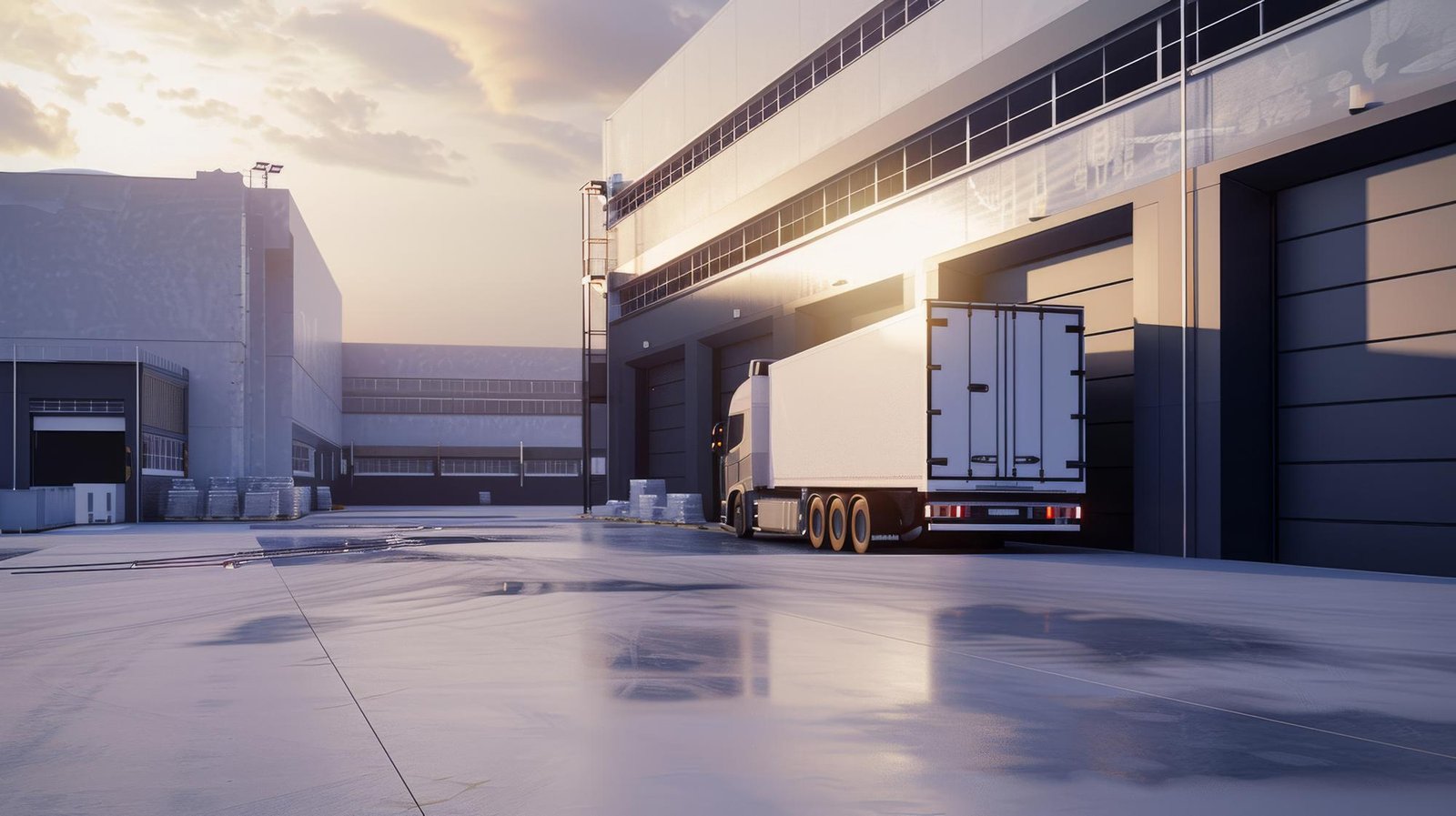
Warehousing, logistics and fulfilment operations carry much of the hidden work behind supply chains. Storage, handling, sequencing, value-added services and dispatch preparation are often where complexity quietly accumulates.

These environments absorb volatility and create flow for the rest of the chain. That makes them operationally decisive, even when they are commercially under-recognised. When ownership is unclear or execution standards drift, the consequences affect service quality, productivity and customer confidence very quickly.

In this segment, the best results usually come from practical improvements to setup, interface logic, process architecture and daily management discipline.

Rail cargo operators

Rail cargo operators

Rail cargo operators translate railway systems into customer-facing transport solutions. They sit between infrastructure constraints, operational complexity, industrial demand and commercial expectations.

That requires more than train execution. It requires coherent market positioning, realistic product architecture, disciplined planning and the organisational ability to align what can actually be delivered with what is being sold.

Where that alignment weakens, profitability and customer confidence suffer quickly. Where it is strong, operators gain repeat business, market credibility and strategic relevance in their corridors.

Customs brokers

Customs brokers

Customs brokers operate at the interface between regulation, documentation and the physical flow of goods. Their work is detail-sensitive, time-sensitive and deeply dependent on process accuracy.

Because customs activities often sit between several commercial and operational parties, weak interfaces, unclear ownership or inconsistent quality standards become expensive very quickly. The visible task may be clearance — but the underlying challenge is often process design and execution discipline.

That makes this a segment where even relatively targeted structural improvements can create measurable operational and commercial value.

Our services

Where we step in

Different situations need different kinds of support. Sometimes the key issue is people. Sometimes it is an unclear offer, a weak commercial setup, an underdeveloped growth path or an operating model that no longer fits the reality of the business.

People

Critical roles, leadership reinforcement and targeted hiring support

We step in where performance depends on the right person, where leadership bandwidth is too thin, or where a key position cannot remain unresolved without affecting the business.

This can mean direct search, selective reinforcement or a more strategic look at how leadership coverage and capability really align with the needs of the organisation.

Product

Sharper offers, clearer service logic and stronger commercial structure

We support businesses whose proposition has become too broad, commercially inconsistent or difficult to position with confidence — and where a clearer offer can improve traction quickly.

That may involve service logic, portfolio structure, commercial architecture or simply the discipline to turn a broad capability set into something the market can actually understand and buy.

Growth

Expansion, market development and business building with practical direction

We help where new revenue needs a clearer path, where market reach must be expanded, or where a business wants to grow with more structure, sharper priorities and better commercial traction.

That can involve market entry, business development support, partner logic, new commercial focus areas or a more grounded route from strategic ambition to practical market movement.

Operations

Better execution, cleaner interfaces and stronger operational discipline

We support businesses where performance is slowed by friction, blurred ownership, unstable interfaces or a setup that no longer serves the day-to-day reality of the operation.

The work is often less about theory than about bringing clarity back into how the business actually runs — across responsibilities, processes, service stability and the way commercial intent translates into execution.

Not every topic needs a big project

Sometimes a targeted search is enough. Sometimes the offer needs work. Sometimes growth needs hands-on support. And sometimes the operation simply needs clarity. The right starting point depends on the situation — and the first step is usually to define that situation properly.

Get in touch

Start a conversation

Whether the topic is people, product, growth, structure or a critical operational situation, a first discussion is usually the right place to understand what matters and what kind of support actually makes sense.