
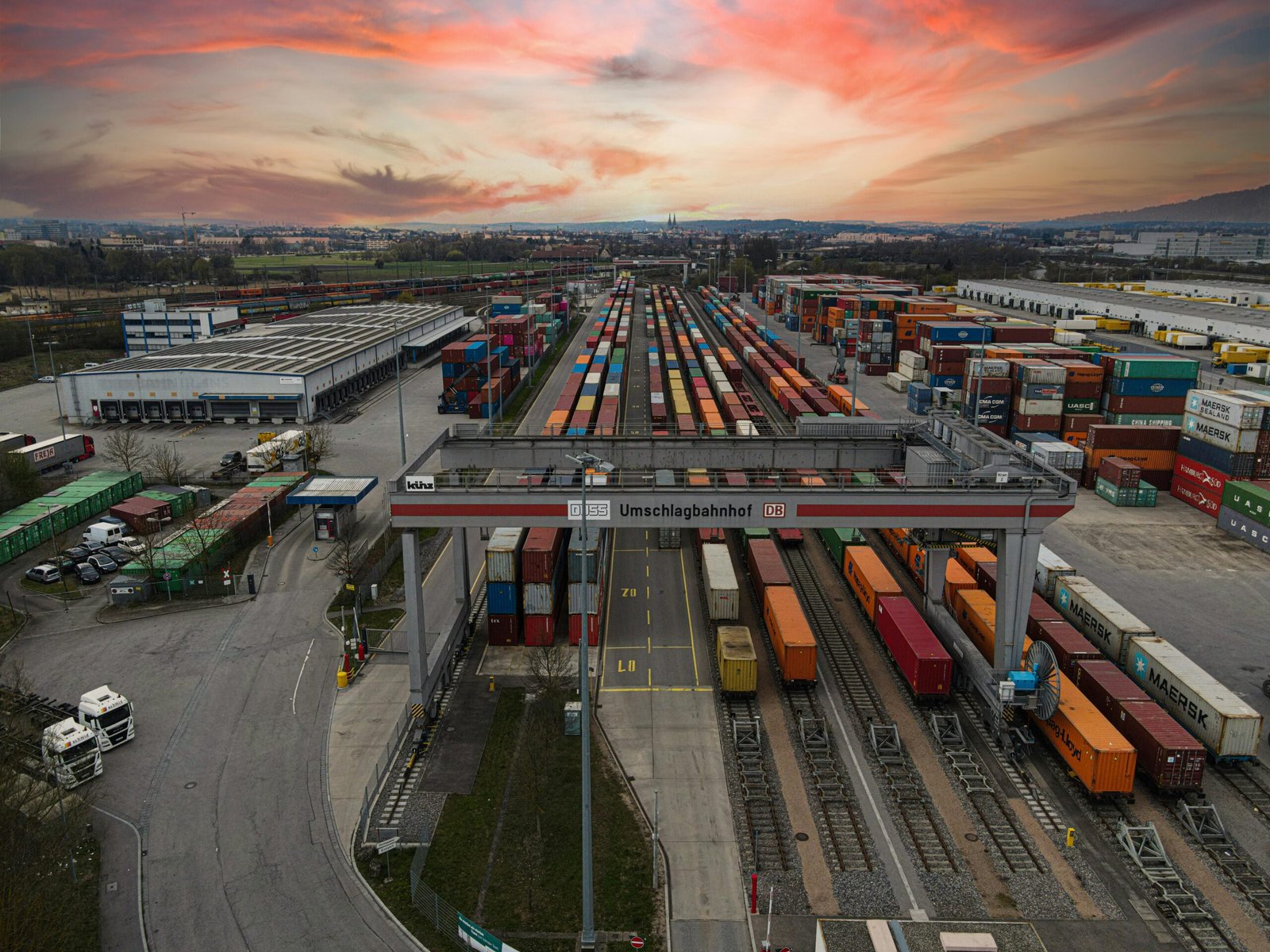
Terminal products become stronger when throughput, service logic and commercial structure work together.
Terminal operations are often assessed operationally first. Capacity, handling performance, yard processes, equipment and turnaround times all matter. But from a commercial perspective, the decisive question is broader: how is the terminal product actually defined, positioned and managed? Here too, the difference between acceptable business and strong business often lies in product management.
A terminal can offer technically similar services to competitors and still perform very differently commercially. The reasons usually sit in the underlying service structure. Which customers and flows are the terminal really built for? Where does the terminal create value within a wider chain, and where is it merely absorbing complexity? How are handling services bundled, prioritised, priced and positioned? How clearly are interfaces to rail, road, warehousing or port processes defined? These questions shape whether the terminal becomes a strong commercial node or a difficult operational asset.
Terminal product management also requires discipline around flow design and network role. Not every movement should be treated equally. Some services justify focus because they strengthen throughput quality, asset utilisation and customer value at the same time. Others may create operational noise without sufficient commercial return. The stronger the logic behind the offer, the stronger the terminal’s role in the market.
We support terminal environments where service definition, commercial structure or operational role need to be sharpened. That may involve reviewing handling logic, interface design, customer and flow prioritisation, network fit or the wider proposition around the terminal. The objective is not simply to operate a terminal well. It is to shape a terminal product that is commercially clearer, operationally more coherent and strategically more valuable.
Let’s look at how your terminal offer is structured today.
If your setup has become harder to prioritise, harder to position or commercially weaker than it should be, we are happy to discuss where sharper product logic would make a real difference.